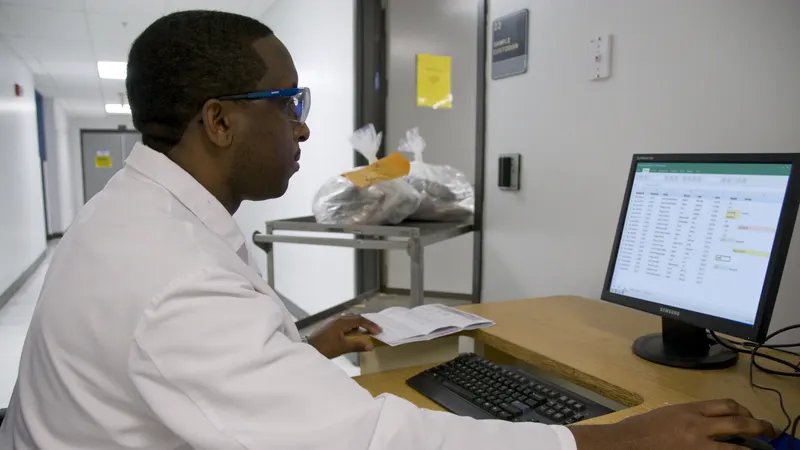
Running on spreadsheets
Sample logs in Excel, results in email, certificates assembled by copy and paste. It works until volume grows, people change or an auditor asks who changed a value.
Small laboratory solutionsSpectraLIMS designs and builds custom laboratory applications, instrument and system integrations, customer portals and LIMS extensions, for small labs moving off spreadsheets and for established labs that need more from the LIMS they already have.
A LIMS for small labs. Quality control from batch registration to certificate of analysis.
Chapters, screenshots and detailsA LIMS for environmental testing labs. Field sampling on a phone, chain of custody and hold times, through to the final report.
Chapters, screenshots and detailsA LIMS for veterinary diagnostic labs. Species-specific results, critical value calls and pathologist sign-out, through to the clinic report.
Chapters, screenshots and detailsLaboratory Execution System (LES). Guided laboratory execution, from method definition to approved result.
Chapters, screenshots and detailsLaboratory Customer Portal. A white-label portal that gives your laboratory’s customers direct access to requests, status and results.
Chapters, screenshots and detailsWorking demonstration applications built with AppMaker: functional starting points that we adapt to each laboratory, not finished or validated products.
Labs of every size end up in one of three places. None of them automatically calls for an enterprise-scale project.
Sample logs in Excel, results in email, certificates assembled by copy and paste. It works until volume grows, people change or an auditor asks who changed a value.
Small laboratory solutions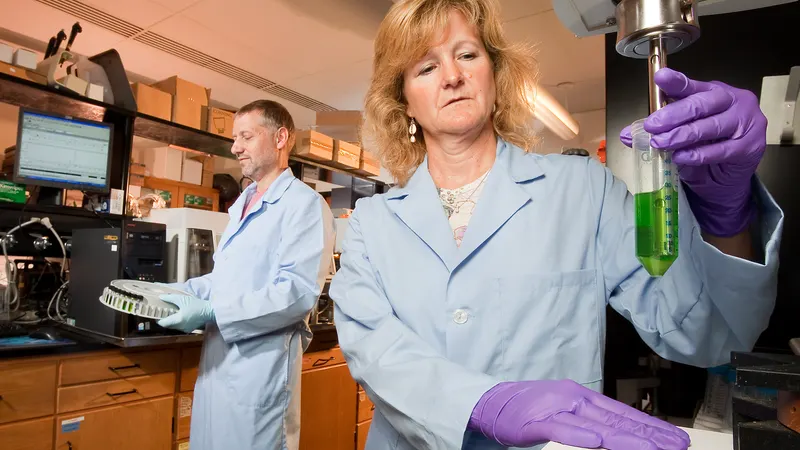
Some workflows happen outside the system, one group of users struggles with it, and a full replacement is too costly or disruptive to justify.
LIMS extensions and modernization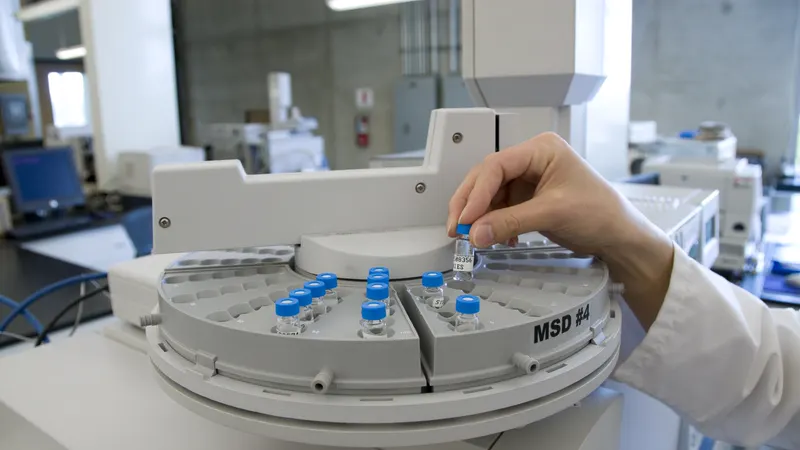
Instrument readings typed into the LIMS, orders entered twice, results emailed to customers by hand. Every transcription needs a second check.
Integrations and automationMost projects combine more than one of these. We scope them around the problem, not around a product catalog.
Running STARLIMS? We also provide STARLIMS consulting and implementation services with experienced STARLIMS specialists.
SpectraLIMS was founded by a software engineer who spent around 20 years on the core technology platform behind STARLIMS: the architecture, data models, workflow engines and integration layers that laboratory applications are built on. Where a project needs hands-on laboratory or implementation experience, we work with specialists from our professional network.
About SpectraLIMSSmall enough to talk to the engineers directly. Structured enough to deliver software a laboratory can depend on.
You describe the process, the systems involved and what is getting in the way. We ask a lot of questions and tell you honestly whether we think we are a good fit.
We map the workflow, the data and the integrations, and agree what a useful first release looks like, along with how it will be delivered and deployed.
You see working software early and often. Each increment is reviewed with the people who will use it before the next one starts.
The application goes live in the environment we agreed. After that we support it, extend it, or hand it over to your team.
Deployment, support and ownership arrangements depend on the project and are agreed in each engagement. How we work
A custom LIMS is the right answer for some small labs and the wrong one for many. This article sets out the trade-offs, the signals that point to purpose-built software, how to scope a minimum viable system and the ownership questions to ask any vendor.
Spreadsheets carry many labs further than they should. This guide covers where they break down, what data to move into a LIMS, a phased migration plan and how to pick the right kind of system.
Replacing a LIMS replaces the parts that work along with the parts that don't. A practical framework for deciding whether to extend your current system or move to a new one, with a comparison table and a decision checklist.
Describe the process, the systems involved and what is getting in the way. We will reply personally and suggest a sensible next step, even if that step is not a project with us.